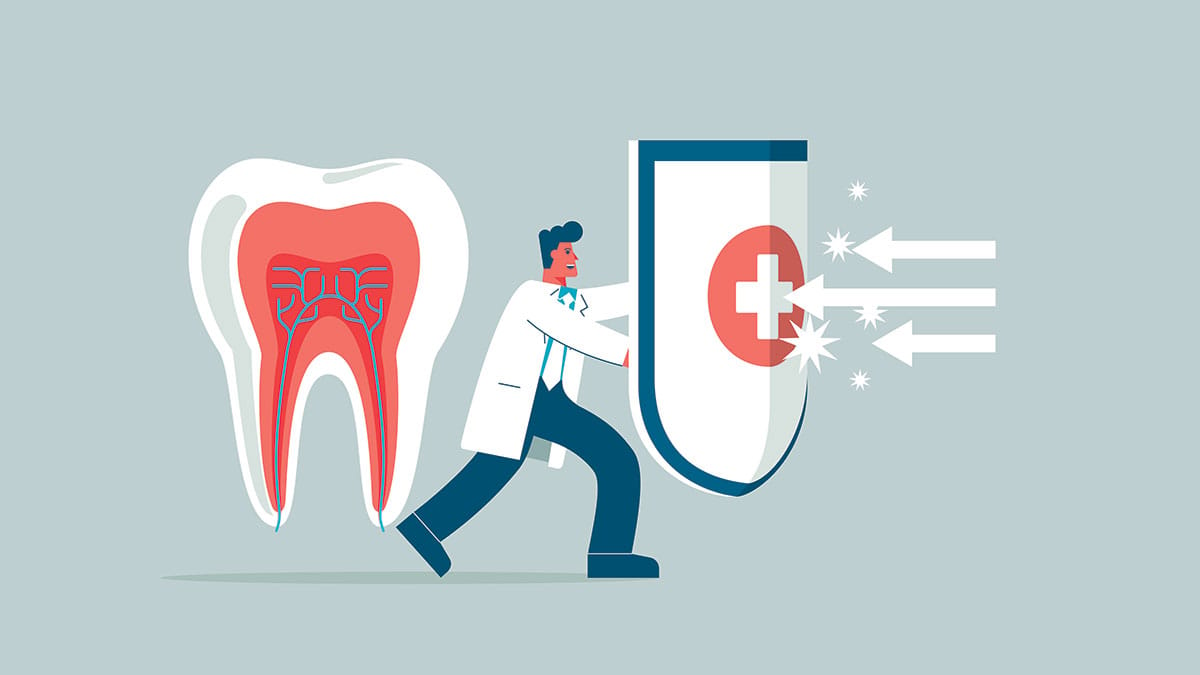

Are you hesitant about seeing a dentist when you have a very painful tooth because you fear you will need a root canal? There is nothing to fear. A root canal does not hurt; it's not the dreaded procedure it was when your grandparents had one. The treatment will end the intense pain you're feeling and you will only experience minor discomfort for a day or two afterward. A root canal will also save your natural tooth. With the affected tooth, the root is still held fast by your jawbone, so your natural tooth helps maintain your jaw structure.
Dentists recommend root canal therapy when the pulp inside a tooth becomes infected. The pulp is the tooth's innermost layer and an infection can set in when there is deep, untreated decay or the tooth cracks or breaks and exposes the pulp. Infected pulp, which contains the nerves, will become inflamed, which often causes severe pain. A root canal will relieve the pain and stop the infection from spreading. The procedure will preserve your natural tooth; a root canal may be your only option to keep your dentist from extracting your tooth. If you have the tooth extracted, it can cause biting and chewing issues, besides creating an unsightly smile.
If you're experiencing these symptoms, see an affordable dentist for an exam and relief. Most of these symptoms are somewhat serious and should be taken seriously by you. The longer you wait to see a dentist to fix a tooth that needs a root canal completed, the more complex the problem will become. Keep in mind that these problems do not heal on their own and always require professional intervention.
Your dentist, or a member of his or her team, will be happy to answer the following questions:
If you have dental insurance, call your dentist to see if it is one of the plans they accept while you are making your emergency appointment. You can get details of your coverage from your policy or the plan administrator.
Almost all the 15 million root canals performed every year go like this:
You'll need an exam and your dentist will also take x-rays to ensure a root canal is the appropriate treatment after reviewing your symptoms with you. He or she will also answer your questions and address any concerns you have. If you have a high risk of infection, your dentist may ask you to start taking antibiotics before having your root canal. Your pain will lessen as the antibiotics start to work.
You'll receive a local anesthesia to numb your tooth and the surrounding gums. If you have anxiety, you may also request nitrous oxide, also known as laughing gas. Your dentist will also prepare for the procedure by placing a dental dam in your mouth to isolate your tooth and help keep it dry.
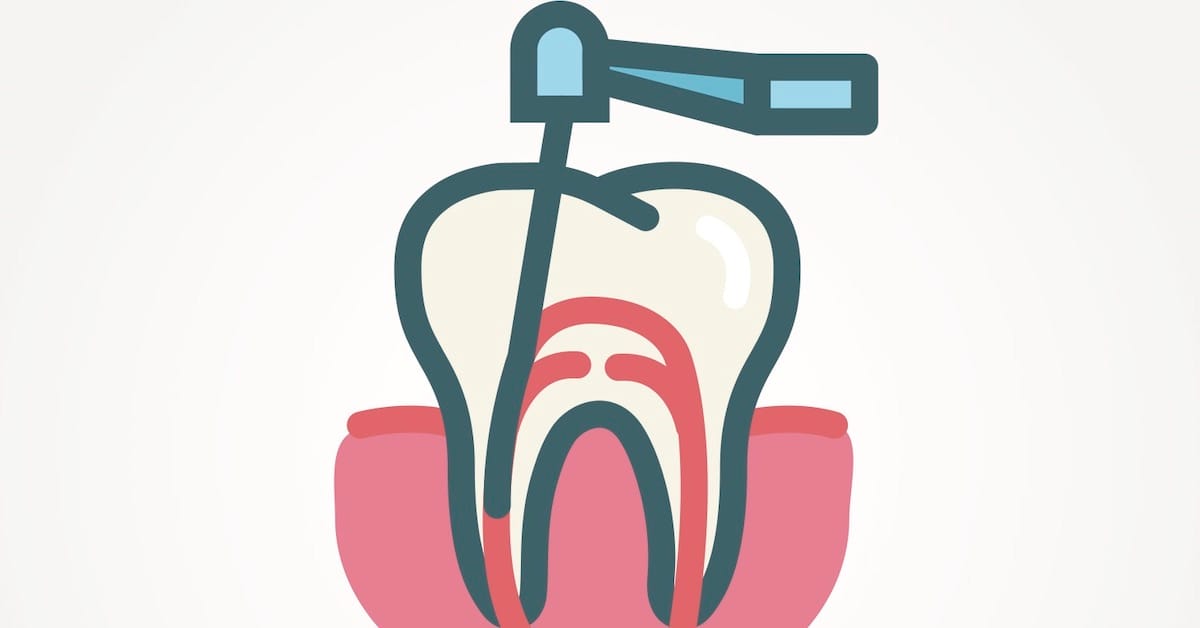
The dentist will drill an access hole in the tooth, either on the chewing surface or on the back of the tooth. He or she will remove the pulp with special dental files and then shape the canals. After this, your dentist will flush out the canals and then dry them.
Your dentist will fill the canals with gutta-percha, a flexible, bio-compatible material. Then, they will use a temporary filling to cover the access hole to keep bacteria out.
At this stage, the tooth will still be vulnerable to damage as it won't be as strong as it was before. Your dentist will fabricate a crown to protect and strengthen the tooth. You'll make an appointment to return and have your custom crown placed.
Excluding the crown being placed, the process should take anywhere from 30 to 90 minutes. Molars take the longest because they can have up to four pulp chambers the dentist must clean out and fill.
You can expect some mild discomfort for a day or two afterward. Your dentist will recommend an over-the-counter pain reliever, which is usually enough for most people. If you feel intense pain afterward, contact your dentist.
If possible, rest for a day. Avoid smoking before and after the procedure, as smoking inhibits healing. Avoid chewing on the side of your mouth where you had the root canal until you get your crown. Brush and floss normally, being extra careful around the tooth. The vast majority of root canals are successful and patients heal quickly with no complications.
Your root canal isn't complete until you get your crown. Until then, your tooth won't be fully functional. Avoid eating any hard foods with the tooth. Find an affordable dentist and have a routine exam every six months and practice good dental hygiene. These things will help prevent you from needing a root canal ever again.